
The short answer
AC installation in Culver City should start with a room-by-room load calculation and a duct inspection, not a guess based on the old unit's size. Culver City is its own city, separate from the City of Los Angeles, so which rebates apply depends on the utility that serves your address, and the federal 25C heat pump tax credit no longer applies to new installations.
Adding central air or replacing an aging system in Culver City starts with a few practical questions: how big the system should be, whether your existing ductwork can handle it, and whether a heat pump makes more sense than a standard air conditioner. Royal HVAC Solutions installs air conditioning for homeowners across Culver City in ZIP codes 90230 and 90232, about 6 miles northwest of our Los Angeles base. This page explains how we approach AC installation for homes here, what affects the choice of equipment, and what to check on rebates before you buy.
Sizing an AC System for Culver City's Climate
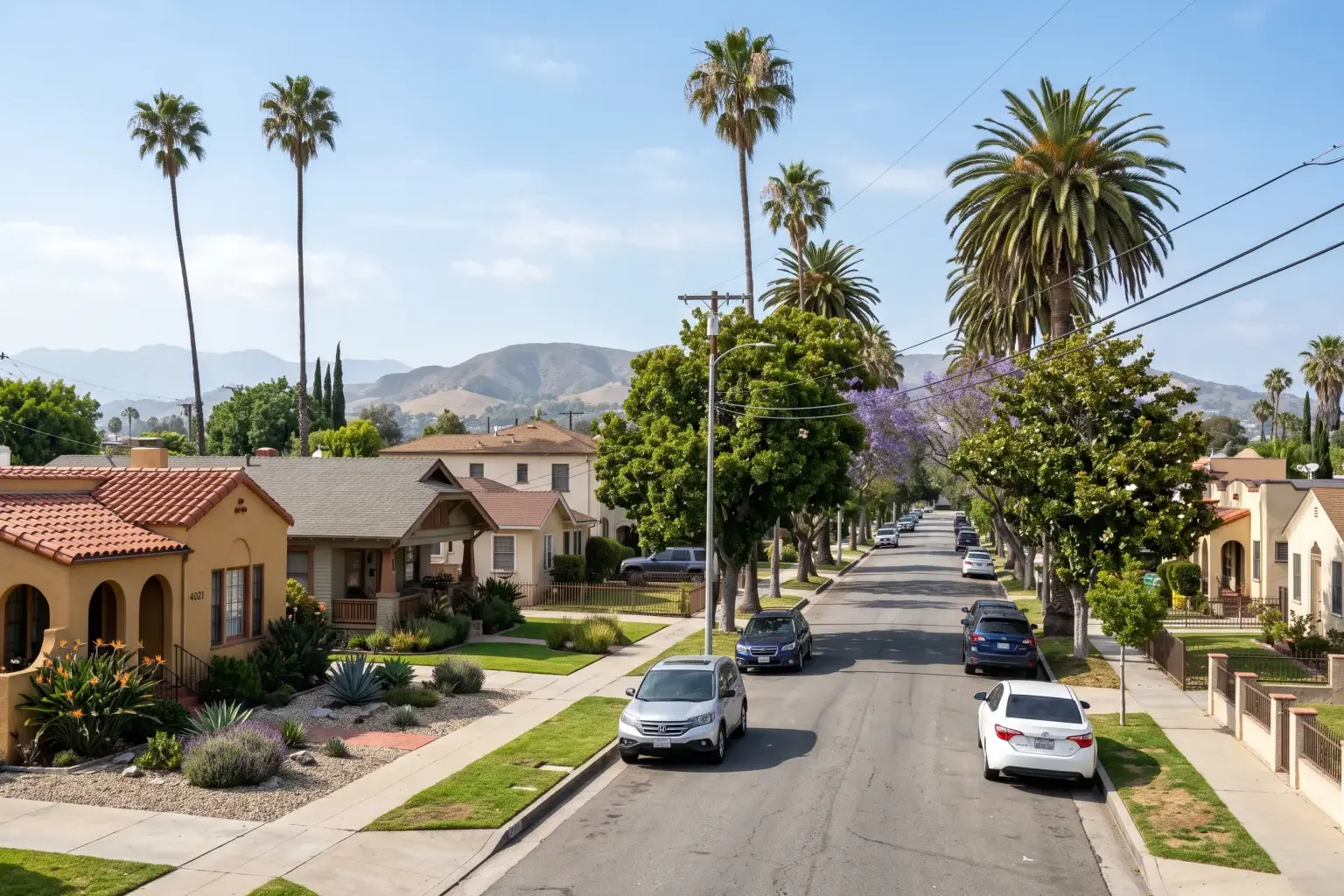
Los Angeles has a Mediterranean climate with dry summers and mild winters. Neighborhoods closer to the coast tend to stay cooler, while inland areas and valleys run much hotter. Culver City sits between those extremes, so a system sized for a hot valley home is often more than a Culver City house needs.
An oversized air conditioner cools the air quickly, shuts off, and starts again, which wears on parts and can leave rooms feeling uneven. An undersized one runs constantly during hot stretches, including the hot, dry spells that fall Santa Ana winds can bring. We size equipment with a load calculation that accounts for your home's square footage, insulation, windows, sun exposure, and layout.
What Happens During an Installation
A good installation depends as much on the work around the equipment as on the equipment itself. Here is the general sequence we follow for Culver City homes:
- An in-home visit to measure the house, review how each room is used, and note comfort problems you already have.
- A duct inspection to check for leaks, crushed runs, poor insulation, and undersized returns, since an older duct system can limit any new unit.
- A review of equipment options, including standard central AC, heat pumps, and ductless mini-splits for homes without ducts.
- Installation of the outdoor and indoor equipment, refrigerant lines, electrical connections, drain line, and thermostat.
- Startup testing to confirm refrigerant charge, airflow, and temperature split, and a walkthrough of how to operate and maintain the system.
Central AC, Heat Pump, or Ductless?
Many Culver City homes were built without central air, or with ductwork designed only for a furnace. If your home has usable ducts, a central air conditioner or heat pump can connect to them. If it doesn't, ductless mini-splits can cool individual rooms or zones without running new ducts through walls and ceilings.
A heat pump cools in summer and heats in winter with the same equipment. Because winters here are mild, a heat pump can handle heating for many homes. That matters if your gas furnace is also near the end of its life: South Coast AQMD Rule 1111 limits NOx emissions from natural-gas fan-type central furnaces sold and installed in the Los Angeles region, and the district has been amending it toward zero-emission requirements. If you're weighing a furnace replacement alongside new AC, check the current rule first, because the district sets and revises the compliance dates.
Rebates and Tax Credits for Culver City Homeowners
Culver City is a separate city from the City of Los Angeles, so don't assume Los Angeles utility programs apply to your home. Many homes outside the City of Los Angeles are served by Southern California Edison rather than LADWP, and which equipment rebates are available depends on the utility that serves your address. We confirm the current offer before quoting it.
If your home is served by LADWP, residential electric customers can apply for Consumer Rebate Program rebates on qualifying heat pump HVAC systems. The amount is based on the unit's SEER2 and HSPF2 ratings, and the application is filed after the equipment is purchased and installed, within 12 months of purchase.
On the federal side, the Energy Efficient Home Improvement Credit (25C) covered qualifying heat pumps placed in service before December 31, 2025. It is not available for new installations after that date, so it shouldn't factor into your budget for a system installed now.
Planning Ahead for a Smoother Install
The best time to plan an AC installation is before the hottest part of the year, when you aren't rushing to replace a failed unit. Gather what you know about your current system, such as its age, any repairs it's had, and rooms that run hot or cold. If you're interested in rebates, find a recent utility bill so you can confirm who provides your electricity.
We also serve homeowners in Inglewood, Hawthorne, Lawndale, Gardena, and Huntington Park, so if you're comparing notes with neighbors or family nearby, the same planning steps apply.
More services in Culver City
- AC Repair in Culver City
- Heating Repair in Culver City
- Heat Pump Installation in Culver City
- Furnace Repair in Culver City